
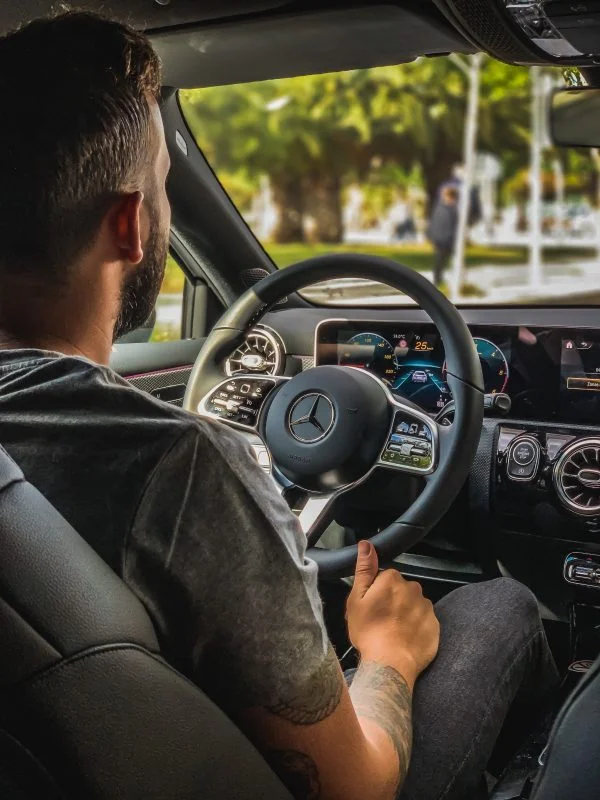
As cities grow, the demand for safe driver services in urban areas continues to change. More people rely on these services for daily travel, work, and errands. Technology and new regulations are shaping how drivers and companies work to provide safer, smoother rides in busy environments.
Let’s take a look at what the future may hold for saferdriver Dubai services in cities.
Use of technology to improve safety:
One clear trend is the use of new technology to improve safety. Many services already use GPS and route planning tools to avoid traffic jams and reduce travel time. In the future, more advanced systems like driver monitoring cameras and automatic emergency alerts may be common. These tools help prevent accidents by checking driver behavior and road conditions in real time.
Electric and hybrid cars:
As cities aim to reduce pollution, safer driver services may use electric or hybrid cars. These vehicles produce less noise and fewer emissions, improving the urban environment. Drivers will want training on how to operate these cars efficiently, which adds another layer to their skills and safety standards.
Stricter safety regulations:
Urban areas tend to introduce new rules to keep roads safer. Driver services will likely follow stricter licensing and background checks. Regular health and skill assessments for drivers may become standard. This will make it easier for passengers to trust that the driver meets high safety standards.
Focus on passenger experience:
The future will also see more attention given to how comfortable and secure passengers feel. Services might include real-time tracking so passengers know where their driver is at all times. There may also be options for passengers to rate drivers on safety and friendliness, encouraging better behavior and service.
Integration with public transport:
Safe driver services may link more closely with public transport systems in cities. This could create smoother connections for passengers traveling across longer distances or through busy areas. Using these services for the first or last part of a journey can reduce the necessity for private cars, easing traffic problems.
Training and development:
Continuous driver training will become more common. Drivers may take courses on new technology, city rules, and customer care. This ongoing learning will help keep drivers up to date and focused on safe driving practices.